Marathon sells 15,133 BTC to cut debt and fund its AI pivot
英文原文查看译文
阅读字号阅读正文 ↓
加载图片中
MARA's strategic shift from Bitcoin holding to AI infrastructure investment highlights evolving market dynamics and potential revenue diversification.
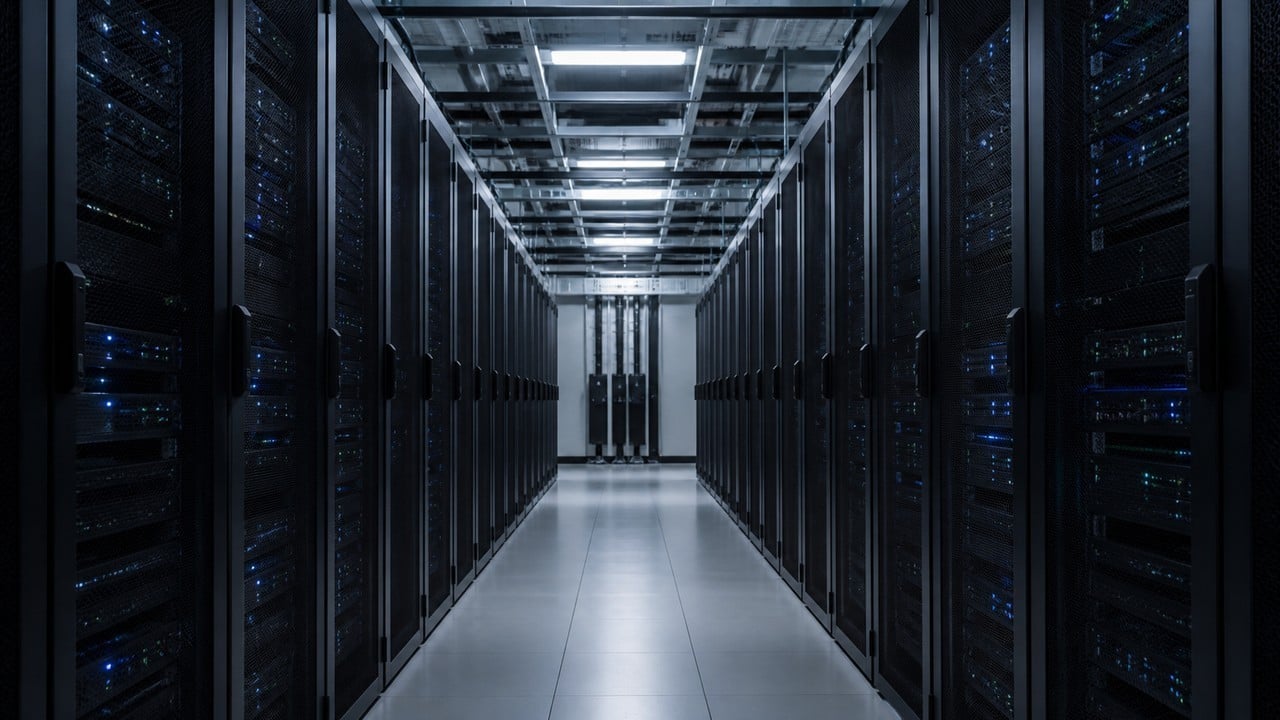
MARA Holdings raised roughly $1.1 billion from a March Bitcoin sale, retired convertible notes at a discount, and is redirecting its infrastructure toward AI data centers
Mon 9 Nov 2026 · 13:35 EST · 4 min read
In Crypto
Share
MARA Holdings, the miner long known for refusing to sell its Bitcoin, sold 15,133 BTC between March 4 and March 25, 2026. The sale raised roughly $1.1 billion at an average price of approximately $72,700 per coin.
For a company whose treasury strategy was basically “buy, mine, never let go,” that is a notable change of heart. Most of the money went toward debt. The rest of the story is about where MARA thinks the next dollar of growth comes from, and it isn’t block rewards.
Where the money went
The bulk of the proceeds funded the repurchase of about $1 billion in convertible senior notes due in 2030 and 2031. MARA bought the notes back through private transactions at an approximate 9% discount to par. That discount let the company capture an estimated $88 million in value.
The buyback also reduced MARA’s convertible debt load by around 30%. That gives the company more room on its balance sheet just as it heads into an expensive buildout.
The treasury math is straightforward. MARA held 53,822 BTC at the end of February 2026. Right after the March sale, that figure fell to approximately 38,689 BTC.
The selling did not stop there. As of June 30, 2026, the company reported holdings of about 35,577 BTC. It disclosed first-half sales totaling 23,093 BTC, which brought in approximately $1.6 billion at an average price of roughly $70,631 per coin.
Timing was not exactly generous. Bitcoin dipped below $69,000 around the time the sale was announced, a few thousand dollars under the average price MARA got during its March selling window.
From HODL to high-performance computing
For years, MARA was one of the loudest corporate champions of holding Bitcoin indefinitely. The new approach allows periodic sales of Bitcoin as a tool for managing capital.
The destination is digital energy and AI high-performance computing (HPC) data centers. HPC refers to the dense, power-hungry server setups used to train and run AI models. Mining farms already have the land, the cooling, and most importantly the grid connections those servers need.
MARA has partnered with Starwood Capital Group on the effort. The partnership targets nearly 1 GW of near-term computing capacity, with potential to expand beyond 2.5 GW.
MARA also acquired the Long Ridge Energy natural gas plant in Ohio to support the transition. Owning generation directly means the company controls its own electricity supply rather than competing for it.
Why miners are making this move now
The backdrop is margin pressure after the most recent halving. Every halving cuts the Bitcoin reward per block in half, so miners earn fewer coins for the same electricity bill. Unless Bitcoin’s price climbs fast enough to compensate, profits shrink.
That leaves miners with an awkward pile of assets. They own power contracts, buildings, and cooling systems, plus a Bitcoin treasury that doesn’t pay interest. Selling the coins to retire debt and fund AI buildouts turns idle assets into infrastructure that could generate recurring revenue.
What this means
For Bitcoin markets, the most immediate implication is supply. Large corporate holders turning into periodic sellers adds a new source of coins that the market has to absorb.
That shift shows up in the rankings. MARA remains a significant corporate Bitcoin holder, but it has slipped behind competitors such as Twenty One Capital as competition among treasury companies has intensified.
For MARA shareholders, the picture is mixed. On the plus side, the debt buyback captured real value at a discount and reduced leverage by roughly 30%. On the other, the company is trading a known asset for an execution-heavy bet on AI infrastructure.
The things to watch are concrete. Investors should track how much of the targeted 1 GW actually comes online, whether further Bitcoin sales follow, and how MARA’s holdings trend from the roughly 35,577 BTC it reported at the end of June.
Disclosure: This article was edited by John Chen. For more information on how we create and review content, see our Editorial Policy.